Art by Susan Sternau, Art Review, Artist's Profile
Wayne Thiebaud: Cakes, Colors, and the Art of Appropriation

Sep
Wayne Thiebaud’s Art and the Question of Appropriation
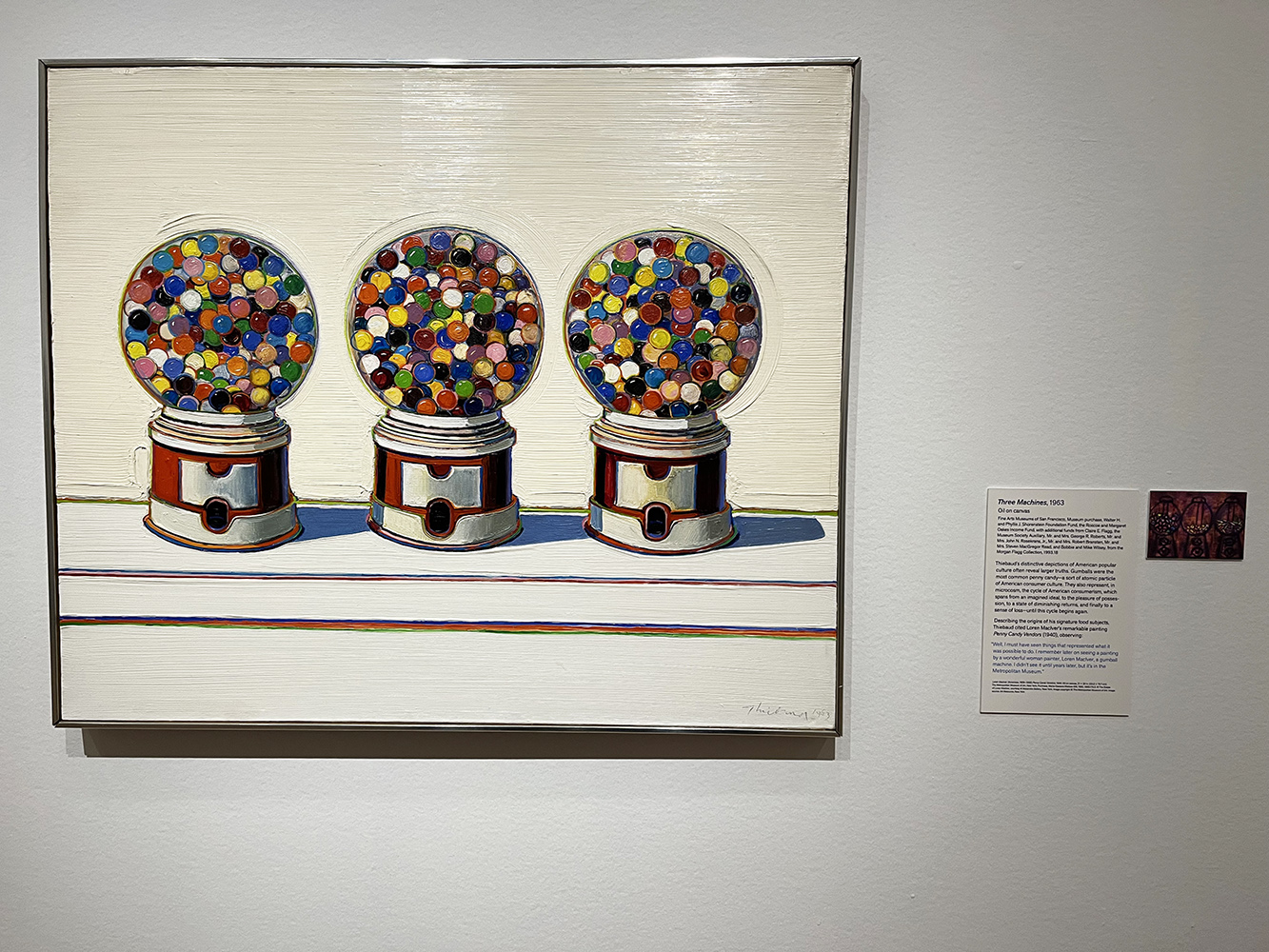
When you first see a Wayne Thiebaud painting, it’s impossible not to grin. Rows of frosted cakes, slices of pie, and gumball machines pop in thick, buttery brushstrokes, glowing like treasures behind a bakery window. At first glance, they’re just sweet treats—but look closer, and you’ll find a clever twist: Thiebaud’s art is a playful, thoughtful exploration of art appropriation and how artists borrow from the world around them, turning everyday objects into something unforgettable.
Wayne Thiebaud: Art Comes From Art
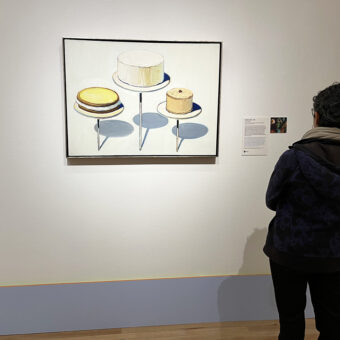
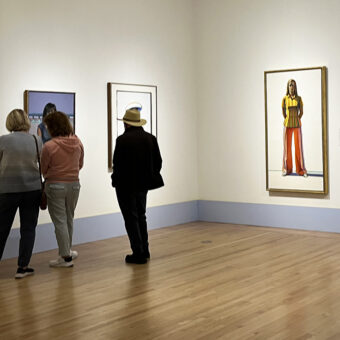
This summer I saw this memorable exhibition at San Francisco’s Legion of Honor Museum “Wayne Thiebaud: Art Comes From Art.” Not only was it a joy to see so many of Thiebaud’s paintings, but the show was also enriched by many paintings from his personal art collection. The curators showed Thiebaud’s paintings side by side with other works of art that inspired his own work in various ways, from poses, composition and perspective to color choices and imagery.

Copying As Inspiration
Wayne Thiebaud went from working as a commercial artist to a long career teaching studio art and art history, first at Sacramento City College, at then the University of California, Davis for 42 years. During that time, he immersed himself in art history in order to better teach his students and acquired a large art library that provided sources and inspiration for his art throughout his long career. He also practiced and encouraged copying work of other artists as a way to learn from their methods and experience, and to be able to apply it creatively to their own work This is a method I have also used with my students.
Why I Love Wayne Thiebaud’s Art
California artist, Wayne Thiebaud, is a continuing inspiration for my painting. I love his sense of color and the vibrations he sets up between patches of complimentary colors. I love the thick, cake frosting-like application of paint in many of his paintings. I love his vertigo inducing San Francisco cityscapes, where he captures the feeling you get at the top of San Francisco’s steep hills, that the road will drop off into nothingness. I love the aerial perspective and sweet colors in his Delta landscapes. And I love his pop art inspired paintings of cakes and pastry cases where everything looks good enough to eat.

Why Wayne Thiebaud’s Cakes and Pies Captivate
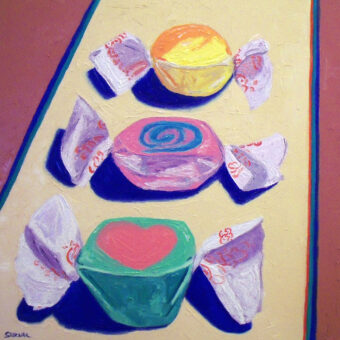
Wayne Thiebaud’s paintings of cakes, pies, and candies feel nostalgic and joyful. Using thick brushstrokes, pastel colors, and playful shadows, he transforms everyday objects into art that’s almost dreamlike. His work captures both memory and delight, making ordinary treats feel extraordinary.
Thiebaud vs. Pop Art: Appropriation in Context
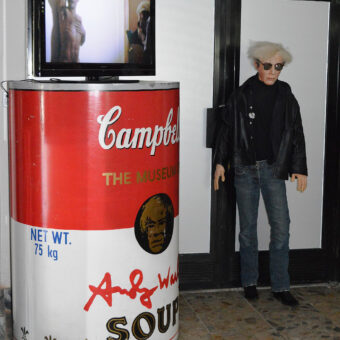
Thiebaud rose to fame in the 1960s, alongside Pop artists like Andy Warhol and Roy Lichtenstein. These artists were all exploring everyday objects in art—but in very different ways.
Warhol and Lichtenstein: Direct Appropriation
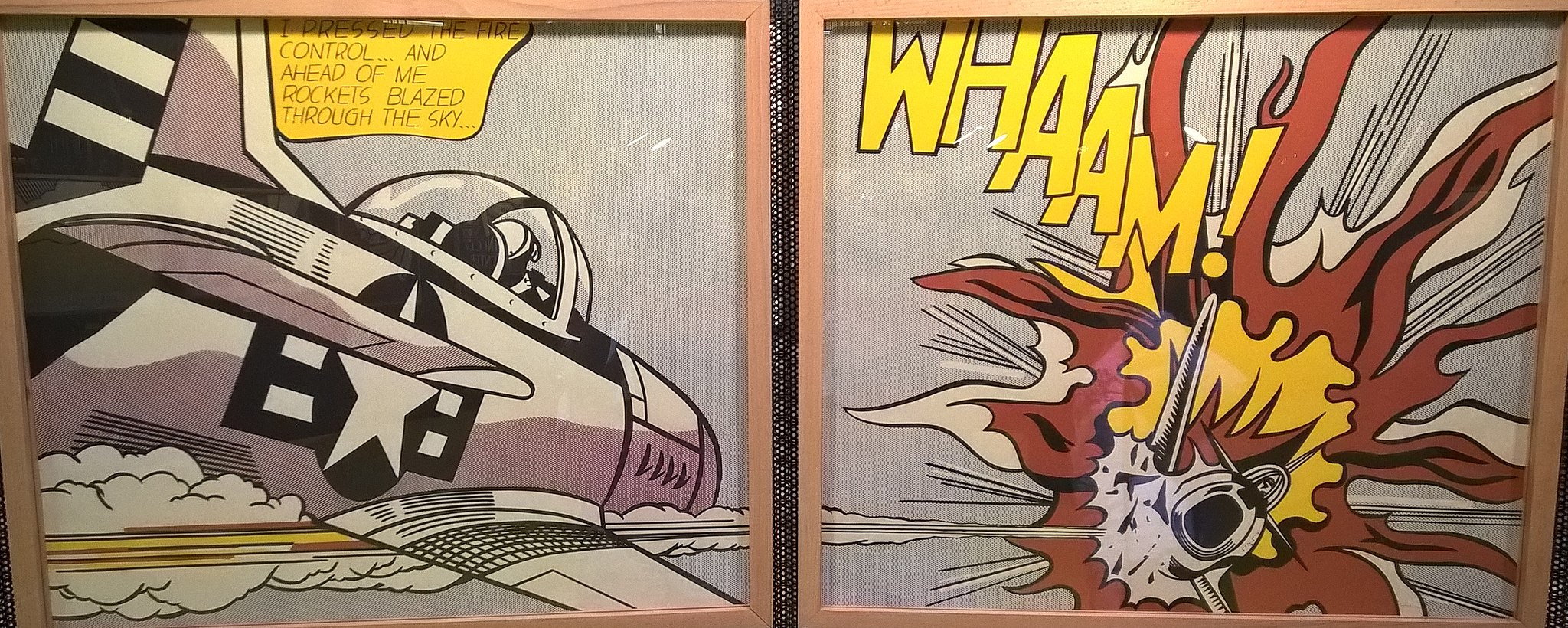
Warhol lifted images directly from advertising, while Lichtenstein copied comic book panels, enlarging them for the gallery. Their work is a form of direct appropriation, taking popular culture and reframing it as fine art.
Thiebaud’s Transformative Approach
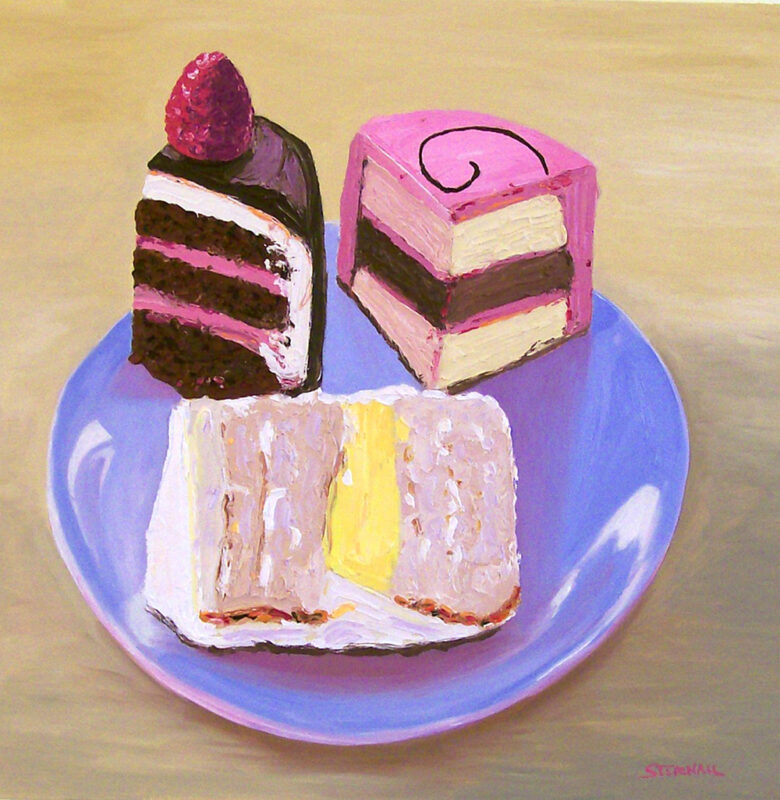
Thiebaud’s method was subtler. Instead of copying, he painted from memory. Rows of desserts echo store displays, but the brushwork, shadows, and colors make them uniquely his own. His art shows how inspiration can be transformed rather than copied, turning the ordinary into something extraordinary.
Relevance Today: Remix Culture and Art
In today’s remix-heavy digital world, memes, mashups, and borrowed images flow endlessly online. Thiebaud reminds us that borrowing isn’t the problem, it is what you do with it. Thoughtful transformation can add layers of memory, humor, and beauty.
Conclusion: The Magic of Thoughtful Borrowing
Wayne Thiebaud shows us that art doesn’t have to be grand or distant to be meaningful. It can be the pie on your table, the candy in a store window, or the gumballs you loved as a kid. What matters is how an artist transforms the everyday into something new. Thiebaud didn’t just paint what he saw—he reimagined it, turning simple treats into moments of joy, memory, and wonder. That’s the magic of borrowing thoughtfully: it can delight, surprise, and stick with us long after we leave the gallery.
Image Notes
- Wayne Thiebaud’s paintings come from the Fine Arts Museums of San Francisco, The San Francisco Museum of Modern Art, and the Kemper Museum of Contemporary Art, Kansas City, Missouri.
- Andy Warhol’s Sculpture is from the Andy Warhol Museum of Modern Art in Slovakia, and Lichtenstein’s Whaam! is at Tate in London (images via Wikimedia Commons).
